






Croydon removals access guide for Thornton Heath narrow streets
Posted on 01/07/2026
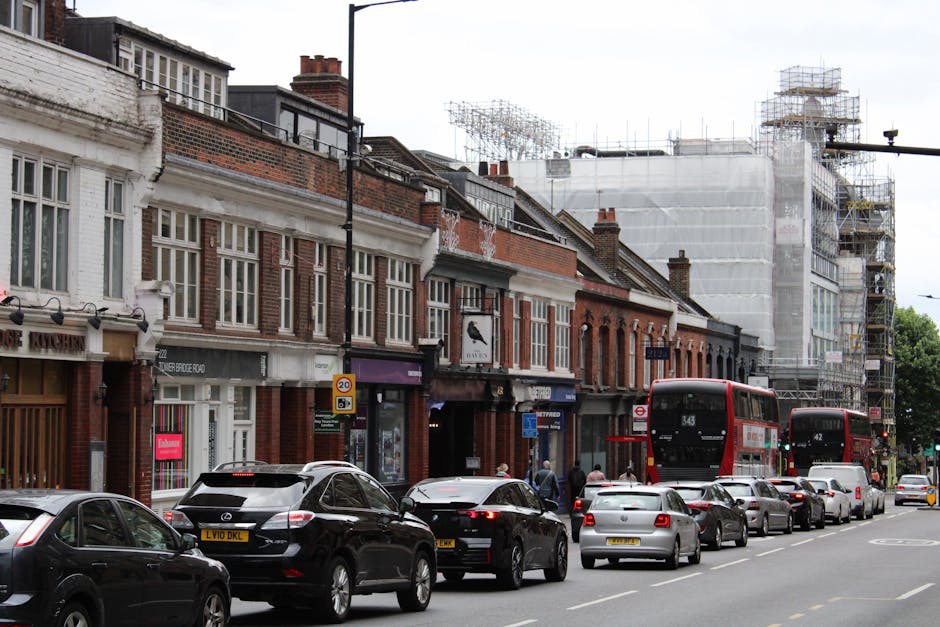
If you are planning a move in Thornton Heath, you already know the issue: the streets can be tight, parking can vanish fast, and a van that looks perfectly fine on a normal road can feel suddenly enormous outside a terraced house or flat. That is exactly why this Croydon removals access guide for Thornton Heath narrow streets matters. It helps you think through the awkward bits before moving day, so you are not trying to reverse into a squeeze at 8:00 in the morning with a sofa halfway through the doorway. Been there? Many people have.
This guide breaks down how access planning works, what makes Thornton Heath trickier than a wider suburban move, and how to reduce delays, damage, stress, and the odd bit of neighbourly frustration. You will also find a checklist, a comparison table, and practical advice on choosing the right moving approach for a narrow-street location.
Why Croydon removals access guide for Thornton Heath narrow streets Matters
Narrow streets change everything. A move that would be straightforward on a wide avenue can become complicated as soon as there is limited kerb space, parked cars on both sides, low-hanging branches, awkward turns, or a front entrance reached by a short but busy pavement. In Thornton Heath, access planning is not a nice extra. It is the difference between a smooth handover and a long day of small delays.
The real problem is not just the width of the road. It is the combination of road width, vehicle size, unloading distance, walking route, and timing. If you cannot get close to the property, the team has to carry everything further. That sounds simple until you remember wardrobes, mattresses, books, boxes of crockery, and the inevitable "just one more bag" that turns into three more trips. Small issue on paper. Big issue in practice.
Good access planning also helps protect the property. Doors, banisters, corners, and hallways in older Croydon homes can be unforgiving when furniture is being manoeuvred. A few extra minutes of planning can save a chipped wall, a scraped stair edge, or a frustrated homeowner trying to direct traffic through a half-open front gate.
If you are at the very start of planning, it can help to review broader moving options first through the services overview and the team's main removals service in Croydon. Those pages give useful context before you lock in the move itself.
How Croydon removals access guide for Thornton Heath narrow streets Works
At its core, access planning means mapping the route from van to front door and spotting the pinch points before moving day. That sounds obvious, but most move stress comes from not doing the obvious things early enough.
Start with a simple view of the property:
- How wide is the street outside the address?
- Is there legal or practical parking close to the entrance?
- Can a van turn around nearby, or will it have to reverse out?
- Are there low trees, speed bumps, corner bottlenecks, or bollards?
- How far is the carry from the van to the front door?
- Are there stairs, a shared hallway, or a narrow internal landing?
The next step is matching those details to the vehicle and crew. A smaller vehicle or a man and van in Croydon style setup can often be the right choice where the road is tight and the load is modest. For larger home moves, a more substantial removal van may still work, but only if access, timing, and loading order are well managed.
In real terms, this is how a narrow-street move usually works on the day:
- The driver arrives early enough to assess the street and identify the safest stopping point.
- Any parking or loading position is chosen to minimise carry distance.
- Priority items are loaded first if access is easiest at the start of the day.
- Fragile or awkward furniture is moved with extra protection and slower handling.
- If the road is busy, the team works in short, organised cycles rather than leaving doors open or blocking the route for too long.
That last point is underrated. On narrow streets, the best removals teams work like a careful relay rather than a rushed scramble. A steady rhythm matters more than speed-for-the-sake-of-speed.
Key Benefits and Practical Advantages
Once access is planned properly, the whole move becomes calmer. Not glamorous, maybe, but calmer. And calmer usually means cheaper and safer too.
- Less carrying distance: shorter walks from van to door reduce fatigue and speed up loading.
- Lower damage risk: fewer tight corners and fewer hurried turns around parked vehicles.
- Better timing: the crew can work to a more realistic schedule instead of guessing.
- Less disruption: neighbours, pedestrians, and passing traffic are affected for a shorter time.
- Smarter vehicle choice: the move can be matched to the street, not forced into the wrong setup.
- More confidence on the day: you know where the van will stop, what happens if space is limited, and who is bringing what out first.
There is also a financial advantage. A move with good access tends to avoid unnecessary delays, repeat journeys, and extra handling. If you are comparing options or trying to understand what affects the final price, the pricing and quotes page is worth reading before you book. Not because every move is the same - they never are - but because access, distance, and complexity all shape the quote.
Expert summary: In narrow Thornton Heath streets, the best move is usually the one that reduces wasted movement. Less reversing, less carrying, less guesswork. Everything else tends to follow from that.
Who This Is For and When It Makes Sense
This guide is for anyone moving into or out of a street where space is tight and planning matters. That includes a surprising number of people, not just those on a famously cramped road.
You will find it especially useful if you are:
- moving from a terraced house with limited front access;
- leaving a flat above ground level with a narrow stairwell;
- moving furniture from a shared property or converted house;
- working around controlled parking, busy school-run times, or weekday congestion;
- moving bulky items like beds, wardrobes, or pianos;
- trying to finish a move on a same-day timeline;
- balancing removals with estate agent or completion deadlines.
If you are a student or tenant with fewer items, access still matters, just in a different way. You may not need a big vehicle, but you still need a plan for stopping safely, loading quickly, and avoiding parking trouble. The student removals service can be a good fit for lighter loads and shorter loading windows.
If you are moving out of or into a flat, the internal route can matter as much as the street itself. Shared entrances, intercoms, and narrow stairs can slow everything down in a very ordinary but annoying way. For those situations, flat removals in Croydon are often the better match.
And if you are dealing with larger, heavier, more awkward items, then specialist handling is worth a serious look. For example, the page on furniture removals is helpful if sofas, wardrobes, and dining tables are the main headache. Same with piano removals if you have something genuinely unforgiving to move.
Step-by-Step Guidance
Here is the process we would recommend for a Thornton Heath move where the street is narrow and access could be awkward. It is simple, but simple is not the same as easy.
1. Measure the street and the property approach
Check the width of the road, but also look at the practical approach to the front door. Is there a kerb drop? A gate that opens inward? A hedge that narrows the path? These little details often shape the move more than the road itself.
2. Identify stopping points for the van
Work out where a vehicle can pause without causing chaos. The ideal spot is close, legal, and safe. If the best position is still a little way off, plan for the carry distance and make sure the team knows in advance.
3. Decide whether a smaller vehicle is better
On a narrow street, a smaller vehicle can sometimes be the smartest vehicle. That is why a man with a van in Croydon setup can be genuinely useful for access-limited properties. It is not always about volume. Sometimes it is about geometry.
4. Pack in loading order
Boxes should be stacked by room and priority. Put the items you will need first in the most accessible place, and avoid burying essentials under heavy furniture. There is nothing fun about having your kettle somewhere under three lamps, two duvets, and a box marked "misc".
5. Protect hallways, doors, and corners
Use covers, blankets, or padding on vulnerable surfaces. Older Croydon homes can have narrow turns and slightly awkward stair edges, so careful handling matters. If you are supplying your own materials, packing and boxes in Croydon is a useful place to start.
6. Build in a buffer
Even a well-planned move can be delayed by parking, traffic, or a neighbour's car that was not there yesterday evening. Give yourself breathing room. It makes the whole day feel less brittle.
7. Keep the communication simple
One person should be the main point of contact on the day. Too many voices can confuse the plan. A quick call, a clear message, and a calm update if parking changes - that is usually enough.
If the move involves a tight deadline, or you need a rapid slot after a completion or tenancy change, same day removals in Croydon may be worth considering. They are not for every move, of course, but when time is tight they can be a lifesaver.
Expert Tips for Better Results
A few small adjustments make a big difference in narrow streets. These are the sorts of things people often overlook until the van is already outside.
- Book the right time of day. Early morning can be gentler for parking, traffic, and access. Late afternoon can be messier, especially on busy residential roads.
- Tell the removals team about any pinch points. Mention steps, communal hallways, steep drops, low walls, narrow gates, or awkward corners. Do not assume they will "just see it".
- Keep the pavement clear. Shoes, bins, plant pots, and loose bags can turn a narrow approach into a trip hazard. Tiny detail, but it matters.
- Disassemble the awkward items first. Beds, table legs, and flat-pack furniture are easier to manage when they are broken down before the stress starts.
- Use labels that mean something. "Kitchen - daily use" is more helpful than "misc 1". To be fair, everyone has a box like misc 1, but it helps to have fewer of them.
- Move fragile items separately if needed. If access is really tight, separating breakables from heavy items can make handling less chaotic.
One small but useful trick: stand outside the property and imagine carrying a wardrobe from the van to the door in a straight line. Then imagine the turn into the hallway. If that path feels awkward in your head, it will be awkward in real life. Your instinct is usually right.
If the move is business-related rather than domestic, check the office removals page, because office moves have their own access headaches: equipment, parking windows, lifts, and time pressure all stack up quickly.

Common Mistakes to Avoid
The biggest mistakes in narrow-street removals are rarely dramatic. They are the small assumptions that snowball.
- Assuming the van will fit because "it looked fine on Google". Road width, parked cars, and time of day change the reality on the ground.
- Forgetting about loading distance. Ten metres extra each way can become a lot of carrying when you are doing it twenty times.
- Not warning about internal stairs or shared access. A ground floor move can still be difficult if the entrance is cramped.
- Leaving parking to chance. In a narrow street, chance is not a strategy.
- Packing too late. Last-minute packing usually means poor box labelling and slower loading.
- Ignoring the neighbours. You do not need to over-explain everything, but a quick heads-up can avoid awkward conversations and minor irritation.
Another common slip is choosing the cheapest option without thinking about access complexity. Price matters, absolutely. But if the street is hard to work in, the cheapest quote can become the most expensive choice once delays, extra handling, or vehicle problems appear. If you want the more complete picture, look at a broader removal services option rather than comparing on cost alone.
Tools, Resources and Recommendations
You do not need a van-load of specialist gadgets to make a narrow-street move work. But a few practical tools are very handy.
- Measuring tape: for doorways, stair turns, and furniture dimensions.
- Box labels and marker pens: for fast room-by-room sorting.
- Furniture blankets or pads: useful for protecting doors, frames, and polished surfaces.
- Strong tape and cutters: for secure packing and quick access when unpacking.
- Phone photos: take quick pictures of the street, front door, and any access obstacles. A few photos can explain a lot very quickly.
- Parking awareness: know whether the move needs a temporary stopping point, a narrow loading gap, or a careful shuttle from a nearby road.
For larger or mixed-size moves, it can be useful to browse the main removal companies in Croydon page to understand how different kinds of jobs are typically handled. If you need a more hands-on setup, the removal van service may be the right middle ground between a full-scale house move and a lighter man-and-van approach.
If you are storing items between properties, or the access on one end is too tight for everything to go in one go, temporary storage can remove a lot of pressure. The storage in Croydon option is useful when timing, access, or completion dates do not line up neatly. And honestly, they often do not.
Law, Compliance, Standards, or Best Practice
For household moves, there is not one single rulebook that solves every narrow-street situation. The practical reality in the UK is that access, parking, safe lifting, and road use all need to be handled responsibly and in line with normal best practice. A professional removals team should plan to avoid unnecessary obstruction, move items safely, and act carefully around pedestrians, neighbours, and the property itself.
From a customer perspective, the most useful standard is clarity. You should know what is being moved, what access is assumed, and whether any special equipment or extra time may be required. If a street is tight, that should be discussed before the job begins rather than after the van has arrived and everyone is staring at each other in the drizzle.
It is also sensible to review company policies on safety, insurance, security, accessibility, and complaints before you book. Those pages show how the business handles risk and customer care. A few particularly relevant ones are the health and safety policy, the insurance and safety information, and the terms and conditions.
If you care about how the company handles data, payments, and privacy as part of the booking process, those details are also worth checking. The payment and security page, the privacy policy, and the cookie policy can help you understand the basics without any drama.
Options, Methods, or Comparison Table
There is no one-size-fits-all answer for Thornton Heath narrow streets. The best method depends on access, load size, timing, and how much manual handling is involved. Here is a plain-English comparison.
| Moving method | Best for | Strengths | Possible drawbacks |
|---|---|---|---|
| Man and van | Smaller loads, quick moves, limited access | Flexible, easier to park, good for narrow roads | Not ideal for very large or heavy household moves |
| Removal van | Medium-to-larger domestic moves | More capacity, better for multiple rooms | Can be harder to place on very tight streets |
| Full house removals | Complete property moves with furniture and boxes | Best for organised, larger-scale relocations | Needs more planning and clearer access details |
| Storage plus move | Delayed completions or difficult access | Reduces pressure, allows staged moving | May add an extra step, and a little admin |
For a lot of Thornton Heath properties, the sweet spot is a carefully planned man-and-van or compact removal van arrangement. That said, if you are moving an entire family home, you will usually need something more structured, such as house removals in Croydon.
Case Study or Real-World Example
Here is a realistic example based on the kinds of access problems people run into all the time.
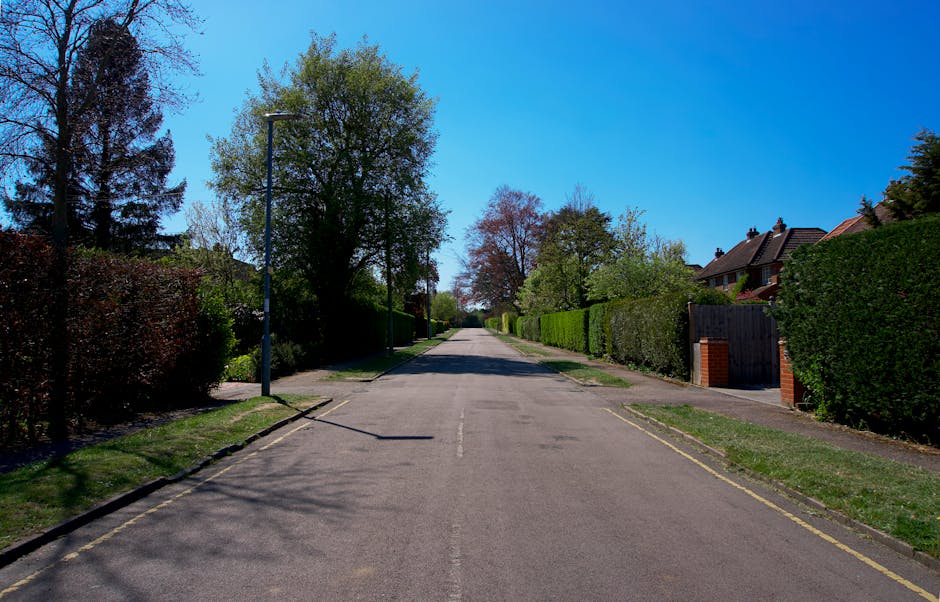
A couple moving out of a two-up two-down terrace in Thornton Heath had a narrow street, cars parked on both sides, and a front path just wide enough for one person to carry a box at a time. The completion was in the morning, and they were hoping to finish before lunch. In other words: ambitious.
Instead of sending a large vehicle and hoping for the best, the move was planned around a smaller stopping position one street away, with priority items packed first. The team split the work into short carries, protected the hallway corners, and loaded the heaviest furniture only after the route was clear. The result was not dramatic. Which is the point. No broken stair edge, no parking stand-off, no panic call about where the dining chairs had gone.
The couple later said the thing they were most relieved about was not the speed, but the feeling that someone had thought the move through before it started. That is what good access planning does. It lowers the emotional temperature. And on moving day, that matters more than people admit.
If you are managing a more time-sensitive move near a busy transport corridor, you may also find the East Croydon station same day removals article useful for thinking about speed, timing, and tight logistics.
Practical Checklist
Use this checklist the week before your move. It keeps the process real and grounded, not vague.
- Measure the widest and narrowest points on the route from van to door.
- Check where a vehicle can safely stop without blocking the street.
- Photograph any tight turns, steps, gates, or low ceilings.
- Tell the removals team about shared hallways, intercoms, or awkward entry points.
- Pack and label boxes by room, with essentials marked clearly.
- Disassemble bulky furniture in advance if possible.
- Clear the pavement, hallway, and entrance of loose items.
- Plan a backup if the closest parking space is already taken.
- Confirm whether storage is needed if timing changes.
- Keep one phone charged and ready for the main contact on the day.
Small note, but worth saying: if you are moving anything awkward, heavy, or sentimental, do not leave it until the last five minutes. That is when everyone starts making hasty decisions and nobody likes that version of the day.
Get a free quote today and see how much you can save.
Conclusion
A narrow Thornton Heath street does not have to make your move miserable. It just means you need a better plan than you would on a wide open road. Measure the access, think about stopping points, choose the right vehicle, and pack in a way that makes carrying easier rather than harder. Simple enough, but worth doing properly.
Most moving stress comes from uncertainty. Once you reduce the uncertainty, the day starts to feel manageable again. That is the real purpose of this guide: not to make the move perfect, but to make it feel under control.
If you want a calmer, more organised removal experience in Croydon, take a look at the team's about us page and then reach out through the contact page when you are ready. A little planning now can save a lot of effort later, and that is usually a win worth having.

